Current PhD vacancies
Apply now!
International PhD Call for Fully Funded PhD Studentships within our 18 Doctoral Programmes
Our university offers PhD research opportunities in the fields of Life Sciences, Medical Engineering and AI/Machine Learning, in the current PhD call. You can explore currently available positions here on this website. To ensure a fair and transparent recruitment process where all candidates have equal opportunities, we can only consider applications submitted through our online application tool for the listed projects. It is NOT necessairy to reach out in advance to any PI participating in the PhD call. If you have any questions about the projects or process, please reach out to phdrecruitment@meduniwien.ac.at.
Current PhD Projects Available
AI/ML, Medical informatics and Medical Imaging
- Genetic Endotypes of ME/CFS
- ML Algorithms for Arthritis Imaging
- AI-Powered 3D Whole-Body Metabolic Imaging
- Model-Based RL for Mechanical Ventilation
Immunology
- CD8+ T Cells Rewire Systemic Metabolism
- Decoding ARDS Through Multi-Omics Integration
- Profiling CAR T-cells for immune-mediated inflammatory diseases
- Engineering Regulatory T Cells for IMIDs
- Epigenetic Reprogramming of Inflammatory Diseases
Neuroscience
- Transcription regulation during neuronal differentiation
Endocrinology and Metabolism
- MC4R Signaling Regulates Human Hepatic Lipid Metabolism
Vascular Biology
- Clinical and Biological Trajectories After Thrombosis
- Skull Hematopoiesis in Cardiovascular Diseases
- Clonal Hematopoiesis and Cardiovascular Risk
- Platelet Dysfunction in Patients with Unexplained Bleeding
General Requirements
To apply, you must hold a Master’s or MD degree (or equivalent) in a field relevant to the open PhD project(s). You may apply while completing your Master’s, provided you expect to finish within six months.
Other essential qualifications include:
- Strong academic performance and relevant research experience
- Excellent written and spoken English
- Proactive, independent and solution-oriented approach to research
- Experience in writing, presenting and interpreting scientific results
- Motivation to work in an interdisciplinary, collaborative and international environment
- Motivation to develop and drive your own research project
What Makes a Strong Application
You are particularly well-suited if you have:
- A Master’s or MD degree completed within the past three years
- Research experience directly related to the project(s), e.g. through research projects or internships
- Hands-on experimental and/or computational experience relevant to the topic
- Experience taking ownership and responsibility for research tasks and results
- Previous research work and scientific communication, e.g. research reports, posters, presentations or publications
We welcome applications from candidates with diverse backgrounds and career paths. If your experience does not match every point exactly but you can demonstrate a strong and relevant connection to the project, we encourage you to apply.
Start Your Application Early
We recommend starting your application well in advance of the deadline. Preparing your materials and securing referee submissions can take time, particularly as referees must complete their evaluations directly in the system. Starting early helps ensure your application is complete and submitted on time. If you are unsure who can act as a referee, please consult the FAQ.
We are looking forward to receive your application!
We will add new PhD positions till 20.10.2026 and encourage all eligible candidates to apply by the specified deadline (22.11.2026) to ensure equal consideration. Application guideline for the online tool can be looked up here.
- AI/ML
- Biomedical engineering
- Cancer
- Medical physics and/or Biophysics
Can AI help us map glucose metabolism throughout the human body without ionizing radiation?
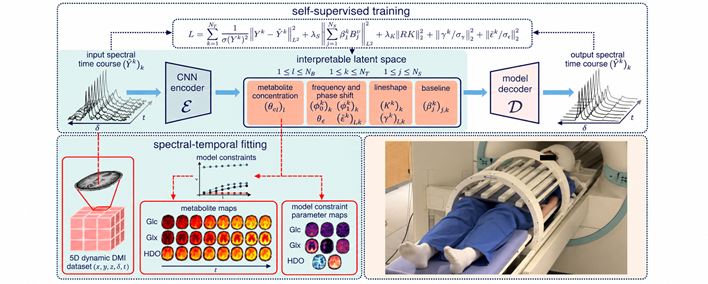
Understanding how tumours process glucose could provide valuable insights into cancer biology and treatment response. Deuterium metabolic imaging is an emerging MRI technique that tracks glucose labelled with a stable, non-radioactive isotope and its downstream metabolic products. Extending this approach to 3D whole-body imaging, however, creates major challenges in image reconstruction, data quality and quantitative analysis.
In this PhD project, you will develop AI methods to reconstruct accelerated 3D whole-body metabolic imaging data, reduce artifacts and noise, and quantify metabolic signals. You will develop physics-informed deep learning methods that incorporate MR signal models and use spatial, spectral and temporal information.
A central challenge will be improving image quality while preserving metabolic information. Methods will be evaluated using simulated and experimental MRI data, compared with established approaches, and integrated into the project’s reconstruction and processing workflow.
The project is part of GLUCO-SCAN, an ERC-funded project aiming to map glucose metabolism throughout the human body without ionizing radiation. Your work will contribute to advancing metabolic MRI for cancer research.
Skills to be acquired during PhD training
You will develop skills in:
- AI, machine learning and deep learning
- Medical image analysis and reconstruction
- Physics-informed AI and quantitative imaging
- MRI, MR spectroscopy and metabolic imaging
- Python and scientific software development
- Experimental imaging data analysis and validation
PhD network and research environment
You will join Wolfgang Bogner’s research group at CAIM and the High Field MR Center of the Medical University of Vienna and be based at the Center for Precision Medicine.
You will work across MR physics, machine learning and clinical imaging, with access to advanced MRI infrastructure. Close supervision, doctoral training, research seminars, international collaborations, conference participation and opportunities to present your work will support your development as an independent researcher in quantitative metabolic MR imaging.
The PhD project in one sentence
Develop AI methods to reconstruct 3D whole-body deuterium metabolic images, reduce artifacts and quantify glucose metabolism for cancer research.
Why apply?
This project gives you the opportunity to develop original AI methods while working directly with experimental MRI data and the underlying MR physics.
As part of the ERC-funded GLUCO-SCAN project, you will have four years of secured funding, access to advanced MRI infrastructure and room to develop your own scientific ideas. You will gain experience connecting computational methods with experimental validation—a strong foundation for a research career at the intersection of AI, physics and medicine.
- Master’s degree in biomedical engineering, physics, computer science, mathematics, electrical engineering, or a closely related field
- Strong programming skills in Python and/or MATLAB, with willingness to work primarily in Python
- Solid foundations in mathematics, numerical methods, and signal or image processing
- Familiarity with machine learning and interest in physics-informed deep learning
- Experience using agentic AI tools for coding and research workflows, including critical evaluation of their outputs
Advantage
- Experience with PyTorch, TensorFlow, or similar deep learning frameworks
- Experience in image reconstruction, inverse problems, optimisation, or quantitative image analysis
- Basic knowledge of MR physics, MRI, or MR spectroscopy
- Familiarity with Linux, shell scripting, and version control
- Experience with experimental or medical imaging data
- Animal research
- Basic research
- Bioinformatics
- Endocrinology and Metabolism
- Immunology
- Molecular and cell biology
- Wet lab
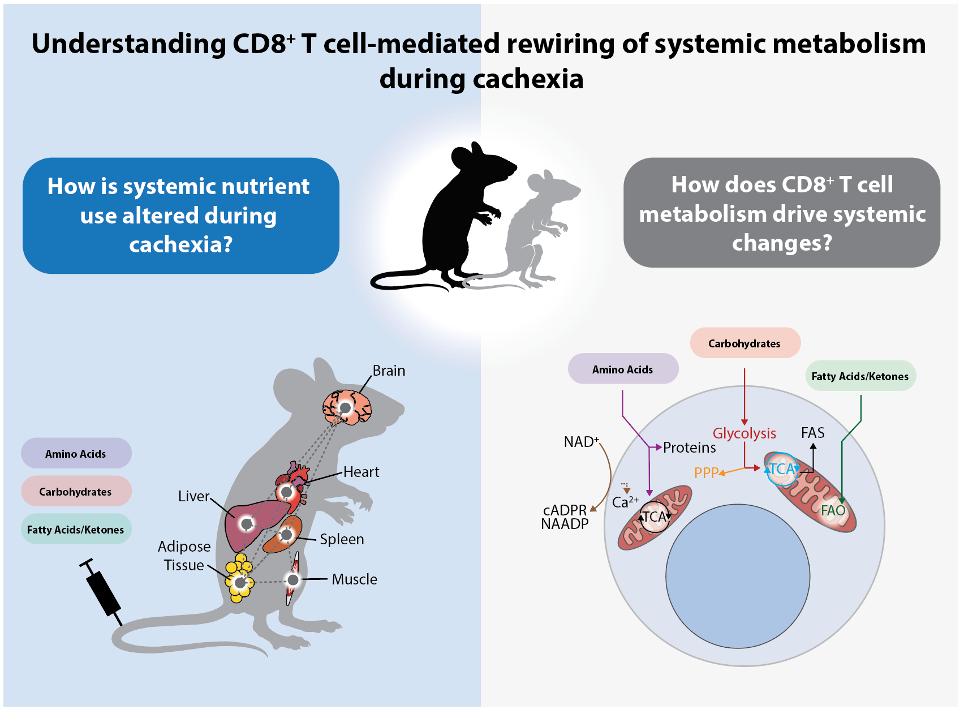
How do cellular immune responses drive tissue catabolism in cachexia?
Cachexia is a severe immunometabolic syndrome characterised by involuntary loss of body weight and tissue mass. Our previous work identified CD8⁺ T cells as important drivers of infection-associated cachexia, but the responsible T-cell states and their metabolic properties remain poorly understood.
This PhD project will investigate how distinct CD8⁺ T-cell populations contribute to cachexia during chronic LCMV infection. We will characterise their temporal and tissue-specific trajectories using single-cell RNA sequencing and computational metabolic modelling, and determine how cachexia-associated CD8⁺ T cells differ in their metabolic programmes and substrate utilisation. Cellular metabolism will be examined in vivo using click-chemistry-based flow cytometry, complemented by stable-isotope tracing and metabolic cage phenotyping.
Using transgenic mouse models, immune-cell depletion and functional perturbations, we will test how specific CD8⁺ T-cell states contribute to systemic catabolism and tissue wasting. The project aims to define the cellular and metabolic mechanisms through which antiviral CD8⁺ T-cell responses promote infection-associated cachexia.
Skills to be aquired during the PhD training
You will gain hands-on experience across immunology, molecular biology and computational research, including:
- Cell and primary cell culture
- DNA/RNA extraction
- PCR, qPCR/RT-qPCR and digital PCR
- CRISPR/Cas gene editing
- ELISA and fluorescence microscopy
- Mouse models
- Bioinformatics
PhD network and research enviroment
You will join an interdisciplinary immunology group at the Medical University of Vienna studying how antiviral immune responses shape metabolism and organ physiology.
We offer access to state-of-the-art flow cytometry, imaging, metabolomics and animal facilities, as well as computational support. Strong collaborations across the Medical University of Vienna, CeMM and international partners provide additional expertise and opportunities for scientific exchange.
You will receive close supervision through regular one-to-one meetings, project discussions and lab meetings. Training opportunities include seminars, retreats, PhD courses and conferences, as well as tailored support for your scientific and career development.
The project includes opportunities for international and clinical collaborations, conference participation and international mobility.
The PhD project in one sentence
Investigate how CD8+ T cells alter whole-body metabolism during cachexia using metabolic tracing, single-cell analysis and computational modelling.
Why apply?
TT cells are increasingly recognized as potential drivers of tissue wasting in patients experiencing involuntary weight loss, but the underlying cellular and molecular mechanisms are not yet understood.
This project gives you the opportunity to tackle a fundamental question in biology while contributing to our understanding of cachexia, a major unmet medical need. You will combine experimental immunology, systemic immunometabolism and physiology in a basic research environment with strong translational links to clinical departments and international collaborators.
- Basic understanding of immunology and/or metabolism
Advantage:
Prior experience with handling mice and in bioinformatics
- Cardiovascular systems
- Clinical research
- MD required
Why do some patients recover completely after a blood clot, while others develop recurrent events, bleeding or persistent symptoms?
Venous thromboembolism (VTE), including deep vein thrombosis and pulmonary embolism, does not end with the acute event. Patients differ substantially in recurrence and bleeding risk, treatment exposure, persistent symptoms, physical function, psychological burden and quality of life. Understanding these differences is essential for more individualised follow-up and treatment.
In this PhD project, you will investigate these questions using the prospective BACH-VTE cohort and biobank, which combines longitudinal clinical data, patient-reported outcomes and biological samples. Importantly, you will remain directly involved with patients through recruitment and follow-up in the thrombosis outpatient clinic.
You will characterize clinical trajectories after VTE and investigate which patient-, event- and treatment-related factors are associated with complications or delayed recovery. Depending on your thesis question, clinical phenotypes may be linked to targeted biomarkers or cellular analyses.
Methods may include structured patient assessments, adjudication of clinical outcomes, longitudinal and time-to-event analyses, and evaluation of prediction models. Selected findings may be examined in external datasets through international collaborations.
Within this framework, you will develop your own focused thesis question, connecting clinical observations with rigorous quantitative and translational research.
Skills to be acquired during PhD training
You will develop skills in:
- Clinical epidemiology and study design
- Longitudinal and time-to-event analysis
- Biostatistics, R and prediction modelling
- Patient-centred clinical research
- Biobanking and biomarker research
- Scientific writing and presentation
PhD network and research environment
You will join a multidisciplinary thrombosis research team of physicians, scientists and study staff, with direct access to the thrombosis outpatient clinic, the BACH-VTE cohort and biobank, and established national and international collaborators.
Regular supervision includes project meetings, data reviews and structured milestone discussions. You will receive training in clinical research, biostatistics, research ethics and scientific communication, with opportunities for international collaboration, conference participation and research mobility.
The PhD project in one sentence
Turn clinical questions from the thrombosis clinic into research that explains why patients experience different outcomes after VTE.
Why apply?
If you are an MD interested in combining patient care with research, this project offers the opportunity to develop the skills needed to investigate your own clinical questions.
You will work directly with patients while learning how to analyse longitudinal clinical data, evaluate predictors of outcome and connect clinical phenotypes with biological markers. You will develop a focused thesis question within an established prospective cohort and gain experience across the full clinical research process—from patient recruitment to publication.
The project provides a foundation for a career combining clinical medicine with independent patient-oriented research.
- MD degree (applications from medical doctors only)
- Interest in thrombosis, clinical research and biostatistics
- Willingness to recruit and follow patients in the thrombosis outpatient clinic
Advantage
- German skills sufficient for informed consent and patient interviews
- Experience with R, clinical studies or biomarker research
- Cancer
- Cardiovascular systems
- Clinical research
- Data Science
- Human research
- Molecular and cell biology
- Wet lab
How do mutations in blood cells contribute to cardiovascular disease?
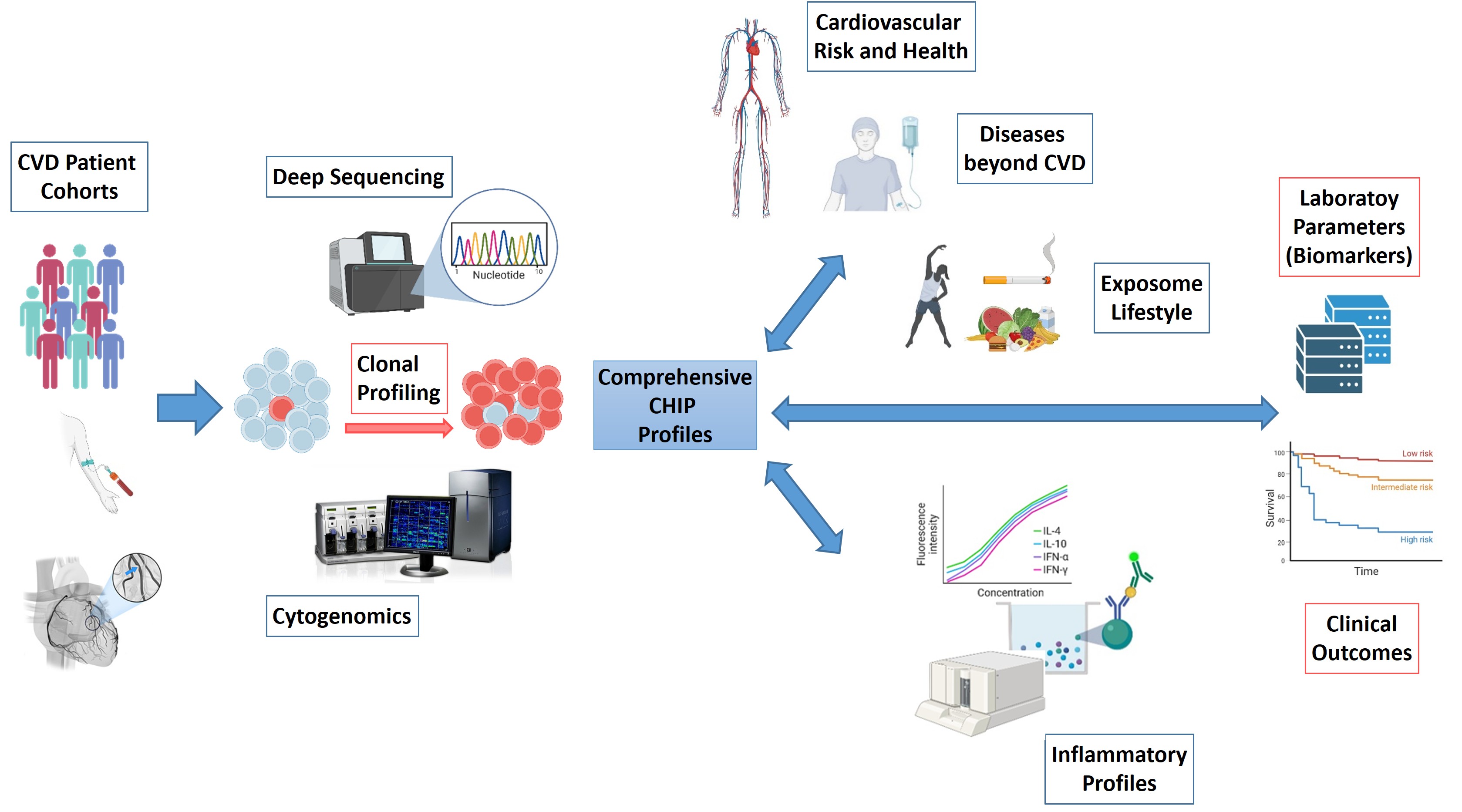
Clonal hematopoiesis (CH) is a common, age-related condition in which blood cell populations carrying acquired genetic mutations expand over time. Although initially recognized for its role in hematological malignancies, advances in next-generation sequencing (NGS) have revealed that these mutations are also common in people without blood cancer, leading to the concept of clonal hematopoiesis of indeterminate potential (CHIP). Beyond cancer, CH has emerged as an important risk factor for cardiovascular disease (CVD). However, how specific genetic alterations interact with systemic inflammation to influence cardiovascular risk remains incompletely understood.
In this PhD project, you will investigate how clonal hematopoiesis and inflammation contribute to cardiovascular disease by combining advanced genomic screening with extensive clinical and laboratory data from large, deeply phenotyped patient cohorts. A major objective will be to establish a high-performance CHIP screening platform using targeted next-generation sequencing. The assay will cover an expanded set of CH-associated genes, enabling comprehensive mutation detection, including the identification of small hematopoietic clones. You will help optimize the workflow for high-throughput screening and validate its analytical performance and diagnostic accuracy.
The project also involves developing bioinformatics pipelines for NGS data processing and reanalyzing existing genomic datasets to identify mosaic chromosomal alterations and integrate these findings into CHIP-focused analyses. Using these approaches, you will characterize the genetic drivers and clonal architectures of CH and investigate their associations with cardiovascular phenotypes and other clinical conditions. Complementary immunological profiling will help identify inflammatory signatures associated with specific mutations and clonal patterns, providing insights into the mechanisms connecting CH, inflammation and cardiovascular risk.
By combining genomic screening, bioinformatics, immunological profiling and detailed clinical data, the project aims to advance our understanding of how acquired genetic alterations in blood cells influence cardiovascular health and potentially identify new biomarkers for risk assessment.
Skills to be acquired during PhD training
You will develop skills in:
- CHIP genetics in the context of cardiovascular biology
- Next-generation sequencing (NGS) and targeted genomic screening
- Molecular biology techniques and high-throughput laboratory workflows
- Pipelines for NGS data processing and genomic analysis
- Integration of genomic, laboratory and clinical datasets
- Biomarker research
- Investigation of inflammation-associated disease mechanisms
- Experimental design and interpretation of complex biomedical data
- Interdisciplinary collaboration and scientific communication
PhD network and research environment
You will join Roland Jäger’s research team at the Department of Laboratory Medicine at the Medical University of Vienna. Building on his expertise in the genetics of hematological malignancies, Roland has recently expanded his research to investigate the mechanisms linking clonal hematopoiesis and cardiovascular disease. Roland will provide direct supervision throughout the project, which will be carried out in close collaboration with Christoph Binder, who leads a large research group focused on atherosclerosis within the same department. The department offers access to state-of-the-art sequencing platforms and laboratory robotics, providing the infrastructure required for high-throughput screening and large-scale genomic analyses. This collaborative environment will allow you to work at the interface of molecular genetics, laboratory medicine, and cardiovascular research. Here also a link to the researcher/group website: https://labormedizin.meduniwien.ac.at/en/research/research-groups/jaeger-group/
The PhD project in one sentence
Uncover how clonal hematopoiesis contributes to cardiovascular disease by combining advanced genomic screening with extensive clinical and laboratory data to identify novel mechanisms linking genetic alterations, inflammation and cardiovascular risk.
Why apply?
Join an interdisciplinary research environment investigating an emerging link between genetics, inflammation and cardiovascular disease. Under the direct supervision of Roland Jäger, you will work with advanced sequencing technologies, high-throughput laboratory infrastructure and large, deeply characterized patient cohorts to investigate questions at the forefront of genomics and cardiovascular research. This project offers the opportunity to develop practical skills in genomic screening and biomarker research while contributing to a deeper understanding of how acquired mutations in blood cells may influence cardiovascular health.
- Master’s degree in molecular biology, biotechnology, medicine or a related field
- Ability to work independently and collaboratively
- Motivation to investigate the relationship between genetic alterations, inflammation and cardiovascular disease
Advantageous experience:
- Previous experience with clinical genomics
- Experience in biomarker research
- AI/ML
- Basic research
- Bioinformatics
- Immunology
- Mathematics and/or Statistics
- Organ failure and/or replacement
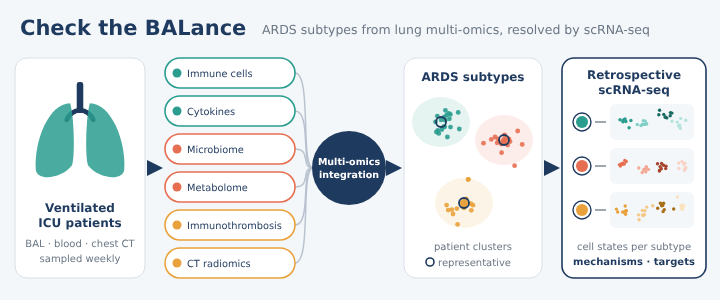
Can we use multi-omics to uncover why patients with the same clinical diagnosis of ARDS have fundamentally different disease biology?
Acute respiratory distress syndrome (ARDS) affects 10–20% of ventilated patients and is a leading cause of ICU mortality. Diagnosis is based on clinical criteria, and no targeted therapy exists, largely because ARDS is highly heterogeneous in its immune activation, microbial milieu and coagulation status.
In the FWF-funded Check the BALance project, we follow ventilated ICU patients with ARDS of viral, bacterial and non-pulmonary origin, alongside pneumonia and lung-healthy controls. Bronchoalveolar lavage fluid and blood are collected within 24 hours of intubation and weekly thereafter. Samples are profiled using high-parameter flow cytometry, cytokine multiplexing, bacterial and fungal microbiome sequencing, metabolomics and immunothrombosis readouts, combined with chest CT radiomics and detailed clinical data. A cohort of 50 COVID-19 ARDS patients is already available for analysis.
As the project’s central data scientist, you will build and curate the study database, analyse individual data layers—including flow cytometry—and integrate them using clustering, feature selection and predictive modelling to define ARDS subtypes and their markers. Representative patients will then be analysed by single-cell RNA sequencing to uncover subtype-specific disease mechanisms and candidate therapeutic targets.
The project is designed for someone who is computationally strong, understands wet-lab data through hands-on experience and wants to work across immunology, microbiology and intensive care medicine with opportunities for clinical collaborations, preclinical experimentation, conferences and international mobility.
This PhD position will be co-supervised by Stefanie Widder.
Skills to be acquired during PhD training
You will develop skills in:
- Multi-omics integration and bioinformatics
- Single-cell and microbiome analysis
- Machine learning and statistical modelling
- R, Python and data visualization
- Spectral flow cytometry and immune profiling
- Clinical data management and analysis
PhD network and research environment
You will join the Research Division Infection Biology (Knapp Lab, Department of Medicine I), supervised by Riem Gawish in immunology and infection biology and Stefanie Widder in computational modelling and multi-omics integration.
The project connects intensive care, infectious diseases, radiology and AI-based image analysis. You will work with the Biomedical Sequencing Facility, Joint Microbiome Facility and CeMM Metabolomics Platform, with access to high-performance computing. Training spans experimental and computational methods, with opportunities for clinical collaborations, conferences and international mobility.
The PhD project in one sentence
Integrate immune, microbiome, metabolome, coagulation and CT imaging data to identify biologically distinct ARDS subtypes and their underlying disease mechanisms.
Why apply?
This project puts you at the point where complex biological data become clinically meaningful. Rather than receiving a finished dataset, you will understand how each data layer is generated—from ICU patient sampling to flow cytometry, sequencing and metabolomics—and become the person who brings these layers together.
With an existing 50-patient cohort, you can start analysing data early while developing a combination of computational and experimental skills that is valuable for a research career in systems immunology, computational biology or translational medicine.
You will work across disciplines and learn how to move from heterogeneous patient data to biological hypotheses about disease mechanisms and potential therapeutic targets.
- Master’s degree or MD in bioinformatics, computational biology, molecular biology, immunology, biomedicine, or a related field
- Strong R and/or Python skills
- Experience analysing at least one omics data type
- Solid knowledge of statistics
Advantage
- Hands-on wet-lab experience, particularly flow cytometry or human samples
- Experience with clinical data or databases
- Experience with multi-omics integration
- Background in immunology, infection biology, microbiome research or medicine
- German language skills
- Basic research
- Immunology
- LBI-AIM
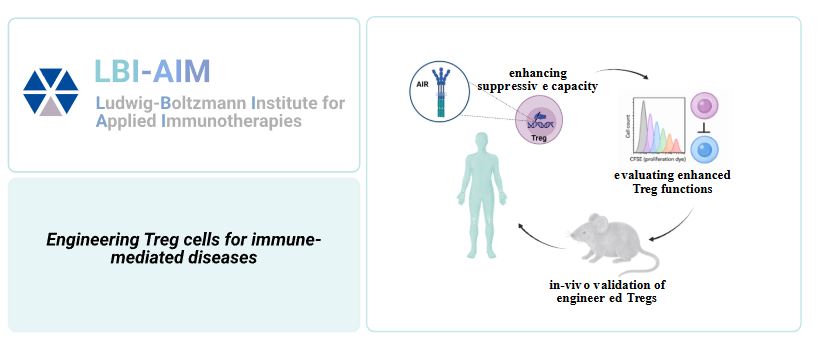
Can we engineer regulatory T cells to sense inflammation and restore immune balance where it is needed?
Regulatory T cells (Tregs) are essential for maintaining immune tolerance and represent a promising therapeutic target in immune-mediated inflammatory diseases (IMIDs). However, the clinical efficacy of Treg-based therapies has so far been limited by insufficient suppressive activity, poor persistence and the influence of the inflammatory environment. Engineering Treg cells to sense inflammatory signals and couple them to enhanced endogenous regulatory programs could overcome these limitations.
This PhD project will establish and evaluate artificial immune receptor (AIR)- and persistence-enhancing (PE)-based strategies to increase the suppressive capacity, stability and long-term functionality of Treg cells. AIRs carrying different inflammation-sensing domains directed against TNF-family molecules such as CD40L will be generated and introduced into human Treg cells, and their ability to recognize inflammatory cues and activate endogenous Treg signalling will be assessed. In parallel, novel persistence enhancers will be integrated to promote survival.
Engineered Treg cells will be characterized in vitro for suppressive capacity, phenotypic and functional stability, survival and tissue-repair potential, and profiled by multi-omics techniques to define the molecular programmes underlying enhanced function.
Optimized candidates will then be tested in preclinical murine models to determine efficacy, safety and mechanisms of action, benchmarked against established therapies. The project aims to deliver mechanistically defined, engineered Treg candidates and the preclinical evidence required to translate Treg-based cell therapy as a potential curative approach for IMID patients.
Skills to be acquired during PhD training
You will develop skills in:
- Primary T-cell culture and immune phenotyping
- Molecular cloning, viral transduction and CRISPR
- Flow cytometry and T-cell functional assays
- Single-cell sequencing and multi-omics
- Preclinical disease models
- Bioinformatics and multi-omics analysis
PhD network and research environment
You will join the newly founded Ludwig Boltzmann Institute for Applied Immunotherapies (LBI AIM) at the Center for Precision Medicine, with access to state-of-the-art technologies and core facilities.
Collaborations with the Leibniz Institute for Immunotherapy (LIT), industry partners and the Division of Rheumatology provide expertise spanning cell-therapy development, GMP manufacturing and clinical translation. You will receive interdisciplinary training in immunology, cell engineering, multi-omics, bioinformatics and preclinical disease models, with opportunities for international collaborations, conferences and research mobility.
The PhD project in one sentence
Engineer regulatory T cells that sense inflammation, enhance their suppressive function and persistence, and restore immune balance in immune-mediated inflammatory diseases.
Why apply?
This project addresses a central challenge in IMIDs: how to restore immune tolerance rather than broadly suppress inflammation.
You will work across the development of a next-generation cell therapy—from engineering synthetic receptors in human T cells and investigating their function to multi-omic profiling and preclinical testing. Embedded within LBI AIM and its academic, clinical and industry collaborations, you will gain broad training for a research career in immunology, cell engineering and translational cell therapy.
- Master’s degree in molecular biology, immunology, biochemistry, biotechnology, biomedical sciences, or a related field
- Experience with molecular and/or cellular biology
- Strong interest in immunology, cell-based immunotherapy and translational research
- Ability to work independently and collaboratively
Advantage
- Experience with primary human T cells, flow cytometry or cell culture
- Experience with viral transduction, CRISPR or other cell-engineering methods
- Experience with animal models or omics approaches
- Basic experience with R, Python or bioinformatic data analysis
- Basic research
- Drug targets and/or drug development
- Epidemiology
- Immunology
- LBI-AIM
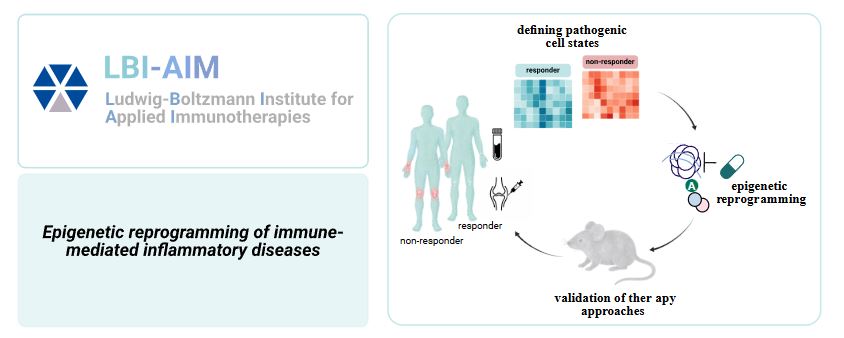
Can epigenetic therapy reprogram pathogenic immune states in immune-mediated inflammatory diseases?
Recent studies show that immune cells in immune-mediated inflammatory diseases (IMIDs) acquire persistent pathogenic epigenetic and transcriptional states. Targeting these programs could reverse disease-associated immune states and restore healthy immune function. However, the precise mechanisms of action remain unclear, limiting clinical translation.
This PhD project will identify pathogenic epigenetic and transcriptional states across different IMID cohorts by building a single-cell epigenetic atlas from primary human patient material using next-generation multi-omics approaches. These findings will be integrated with existing data from epigenetic compound screens to identify promising molecular targets and candidate drugs.
Selected candidates will then be evaluated in patient-derived immune and tissue cells to determine whether disease-associated pathogenic states can be reversed. The most promising epigenetic therapy will subsequently be validated in a preclinical mouse model.
If efficacy is demonstrated, patient-derived sequencing data will be integrated with bioinformatics and machine-learning approaches to identify patients who could potentially benefit from epigenetic therapy.
Together, this project bridges single-cell multi-omics, preclinical disease models and computational biology to accelerate the clinical translation of epigenetic therapies towards personalized treatment approaches for IMIDs.
Skills to be acquired during PhD training
You will develop skills in:
- Immunology, epigenetics and immune phenotyping
- Primary cell culture and flow cytometry
- Single-cell RNA-seq, ATAC-seq and multi-omics
- Bioinformatics and multi-omics integration
- R, machine learning and data visualization
- Preclinical disease models and translational research
PhD network and research environment
You will join the newly founded Ludwig Boltzmann Institute for Applied Immunotherapies (LBI AIM) in new research laboratories at the Center for Precision Medicine.
The interdisciplinary environment connects basic, computational and clinical scientists and provides access to state-of-the-art equipment, core facilities, patient-derived material and comprehensive drug libraries. Close collaborations with the Division of Rheumatology and industry partners provide interdisciplinary training and opportunities for international and clinical collaborations, conference participation and international mobility.
The PhD project in one sentence
Identify the potential of epigenetic therapy to reprogram pathogenic states in immune-mediated inflammatory diseases.
Why apply?
This project combines basic research, next-generation therapy development and clinical science. You will use state-of-the-art single-cell and multi-omics technologies to investigate disease mechanisms, identify potential therapeutic targets and test whether pathogenic immune states can be reversed.
Embedded within LBI AIM, you will work across immunology, epigenetics, computational biology and preclinical research, providing broad training for a research career in immunology and translational therapeutic development.
- Master’s degree in molecular biology, immunology, biochemistry, biotechnology, biomedical sciences, or a related field
- Experience with molecular and/or cellular biology
- Basic experience with R, Python, or bioinformatic data analysis
- Strong interest in immunology, epigenetics and translational research
Advantage:
- Experience with flow cytometry or cell culture
- Experience with RNA-seq, ATAC-seq or other omics approaches
- Experience with primary human samples or animal models
- AI/ML
- Bioinformatics
- Computer lab
- Data Science
- Epidemiology
- Mathematics and/or Statistics
- Public health
One diagnosis, different biology: can we uncover the mechanisms that define disease subgroups?
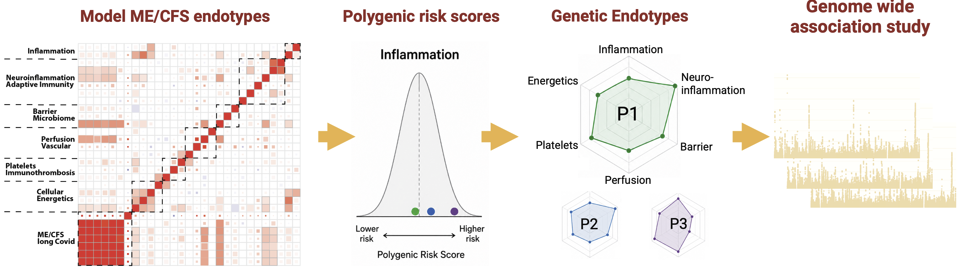
Myalgic encephalomyelitis/chronic fatigue syndrome (ME/CFS) is a severe and highly heterogeneous disease, suggesting that patients meeting the same diagnostic criteria may be affected by distinct biological mechanisms. This PhD project will use large-scale genomic and clinical data to identify mechanistically distinct disease endotypes and investigate their genetic basis.
The project will initially leverage publicly available GWAS summary statistics to investigate the genetic architecture of ME/CFS and related traits. Using LD-score regression, pleiotropic heritability modelling and genomic structural equation modelling (genomicSEM), we will quantify shared genetic architecture and derive latent genetic factors representing biological domains relevant to ME/CFS. The project will build on established computational pipelines, including the Pleiotropic Heritability Block Correction (PHBC) framework. Mendelian randomization will test potential causal relationships between molecular, metabolic, immune and vascular traits and ME/CFS.
We will then move from population-level summary statistics to individual-level genomic data from DecodeME, UK Biobank and the All of Us Research Program. Factor GWAS and Bayesian polygenic risk scoring will generate patient-level genetic profiles and genetically defined ME/CFS endotypes. Endotype-stratified GWAS, functional annotation and pathway analyses will investigate genetic associations potentially hidden in conventional case-control studies. Complementary analyses of electronic health records will derive clinical endotypes from ICD-10 diagnoses and comorbidities, allowing us to test whether genetic endotypes translate into clinically meaningful patient subgroups.
The project offers training at the interface of bioinformatics, statistical genetics, epidemiology and machine learning, addressing a major challenge in ME/CFS research: translating large-scale genomic and clinical data into biologically meaningful patient stratification.
The ME/CFS project welcomes applications from students with ME/CFS.
Skills to be acquired during PhD training
You will develop skills in:
- Statistical genetics, GWAS and polygenic risk scoring
- Causal inference and genomic modelling
- Bioinformatics and genomic data analysis
- Integration of genomic and clinical data
- R, Python and reproducible computational workflows
- High-performance computing and machine learning
PhD network and research environment
You will join the Department of Epidemiology at the Medical University of Vienna and work within a genetics-focused team with access to major international biobanks and the computational infrastructure required for large-scale analyses.
You will receive close supervision and participate in seminars, journal clubs and scientific discussions. The project includes international and clinical collaborations, conference participation and opportunities for international mobility. Our ME/CFS research is conducted in active exchange with WE&ME and other patient representatives, bringing patient perspectives into research priorities and interpretation.
The PhD project in one sentence
Discover whether ME/CFS is one disease or several biologically distinct conditions using human genetics, clinical data and AI to uncover what drives the difference.
Why apply?
As AI increasingly automates coding, the key skill for computational scientists is knowing which questions to ask, which analyses can answer them, and when not to trust the result. This project provides hands-on training in modern genetic epidemiology, causal inference and large-scale biomedical data, with freedom to develop and test your own ideas. You will learn to turn complex data into rigorous biological questions and build the skills needed for an independent career in computational and biomedical research.
Master’s degree in Life Sciences, Medicine, Bioinformatics, Epidemiology, Statistics, Data Science, Computer Science, or related quantitative disciplines.
Advantage: R and/or Python R and/or Python, Linux/Unix environments, HPC or cloud computing, statistical data analysis, genomic/NGS data processing.
- Endocrinology and Metabolism
- Human research
- MD required
Does the brain directly control how the human liver handles fat?
Animal studies suggest that the brain regulates hepatic lipid metabolism through the autonomic nervous system, but whether this brain–liver pathway operates in humans remains unknown. The MC4R agonist setmelanotide reduces hepatic steatosis in Bardet–Biedl syndrome independently of BMI changes. Since the liver does not express MC4R, this effect is likely mediated by the central nervous system. We will test in humans what has so far primarily been demonstrated in experimental models: whether central MC4R activation controls liver lipid metabolism through autonomic nerves.
Our hypothesis is that acute MC4R activation increases hepatic VLDL-triglyceride secretion and that this response requires intact hepatic innervation.
To test this, we will conduct a randomised, placebo-controlled crossover study in healthy men and liver transplant recipients. The latter provide an unusual human model: the transplanted liver is denervated, allowing us to directly investigate whether metabolic effects depend on neural input.
Participants will receive setmelanotide or placebo on two study days. Using 7-Tesla ¹H/³¹P-MR spectroscopy, available at only a small number of centres, we will measure hepatic lipid content and composition and ATP flux. Hepatic VLDL₁ secretion will be quantified in vivo using an intralipid infusion without radioactive tracers. We will additionally assess VLDL₁ lipid profiles and hedonic eating behaviour.
The project will establish whether an MC4R-dependent neural brain–liver pathway regulates hepatic lipid metabolism in humans and investigate a potential weight-independent mechanism relevant to metabolic dysfunction-associated steatotic liver disease (MASLD).
Skills to be acquired during PhD training
During your PhD, you will receive interdisciplinary training in human metabolism, clinical research and metabolic imaging, including:
- Human metabolic intervention studies
- In vivo metabolic phenotyping
- 7-Tesla ¹H/³¹P-MR spectroscopy
- Hepatic VLDL-triglyceride secretion measurements
- Lipid and metabolic data analysis
- Good Clinical Practice (GCP) and clinical trial conduct
- Scientific writing, presentation and communication skills
PhD network and research environment
Our interdisciplinary team of clinicians and basic scientists studies how the brain communicates hormonal and nutritional signals through the autonomic nervous system to peripheral organs. By conducting both experimental and human studies, we connect mechanistic research directly with human physiology.
You will work within an experienced clinical research unit with established metabolic phenotyping and advanced imaging infrastructure. Through the FWF Cluster of Excellence MetAGE and the MedUni Vienna Metabolism Research Platform, you will join a broad collaborative research network.
The PhD includes direct PI supervision, regular thesis advisory committee meetings, clinical collaborations, conference participation and opportunities for international mobility.
The PhD project in one sentence
Determine whether MC4R signalling controls human hepatic lipid metabolism through the autonomic brain–liver axis.
Why apply?
This project allows you to investigate brain–liver communication directly in humans by combining a controlled pharmacological intervention with liver transplantation as a model of hepatic denervation. You will work with 7-Tesla MR spectroscopy and detailed in vivo metabolic phenotyping while gaining experience across clinical and mechanistic metabolism research.
The results may provide new insight into how the central nervous system regulates liver fat independently of body weight and into mechanisms relevant to MASLD.
MD degree or equivalent required, with a strong interest in human metabolism and clinical research. Please note that applications from candidates without a medical degree cannot be considered.
Advantage: German language skills (B1). Experience in molecular biology or metabolic research.
- AI/ML
- Bioinformatics
- Clinical research
- Data Science
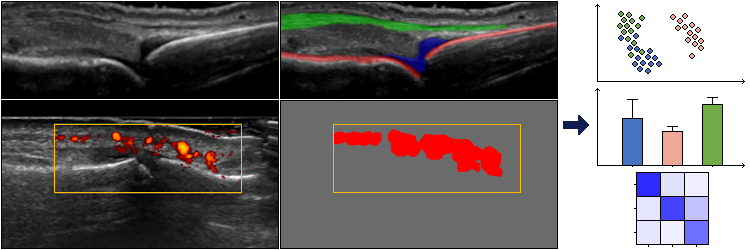
Can machine learning make the assessment of inflammation in arthritis more objective and reproducible?
Rheumatoid and psoriatic arthritis cause joint inflammation that, if uncontrolled, can lead to joint destruction and disability. Ultrasound detects inflammation sensitively and without radiation, but grading of synovitis and Doppler signal remains subjective, time-consuming and examiner-dependent.
In this PhD project, you will develop and validate machine-learning methods to detect, segment and quantify inflammation on joint ultrasound images. You will work with expert-annotated, multi-centre arthritis imaging data available through AutoPiX.
You will have methodological freedom to explore approaches including self-supervised pretraining, domain adaptation across devices and centres, and video-based models. Collaboration with partners developing robotic ultrasound and AI software will connect model development with standardised image acquisition and clinical deployment.
The goal is to develop robust, clinically validated tools for clinical trials and patient care.
Skills to be acquired during PhD training
You will develop skills in:
- Machine learning and deep learning
- Medical image analysis and computer vision
- Image annotation and segmentation
- Statistical modelling and clinical validation
- Python and scientific software engineering
- Large-scale imaging data and cloud computing
PhD network and research environment
You will join the Rheumatology Imaging Group at the Division of Rheumatology, Medical University of Vienna, supervised by Peter Mandl, with day-to-day technical mentoring from a dedicated machine-learning postdoc.
The group coordinates AutoPiX, a ~€20M IHI-funded international consortium with a large global data lake of X-ray, ultrasound and MRI images in arthritis, bringing together academic, pharmaceutical, medtech, start-up and patient partners.
You will collaborate closely with Georg Langs and the Computational Imaging Research Lab and with industry partners in robotic ultrasound and pharma. Training includes the Medical University of Vienna’s structured doctoral programme, the AutoPiX PhD cohort with joint retreats, international conferences, clinical and international collaborations, and opportunities for international mobility and industry collaboration.
The PhD project in one sentence
Develop a machine-learning model that quantifies inflammation on ultrasound images of arthritis patients.
Why apply?
This project combines a clinically important question with access to large-scale arthritis imaging data and close interaction between machine-learning researchers, clinicians and industry partners.
You will have substantial freedom to develop and test methodological approaches while learning how machine-learning models are developed, validated and translated towards clinical use. The project provides training and collaborations relevant to a research career in medical imaging, machine learning and clinical AI.
- Master’s degree in computer science, software engineering, biomedical engineering, bioinformatics, mathematics, or a related field
- Focus on machine learning or computer vision
- Good software-engineering skills, including clean coding, version control, testing, and documentation
Willingness to further develop your software-engineering skills
Advantage
- Experience with medical imaging data, such as ultrasound or MRI, or motivation to learn
- Interest in clinical applications of AI and developing tools that directly benefit patients
- AI/ML
- Clinical research
- Data Science
- Mathematics and/or Statistics
- Organ failure and/or replacement
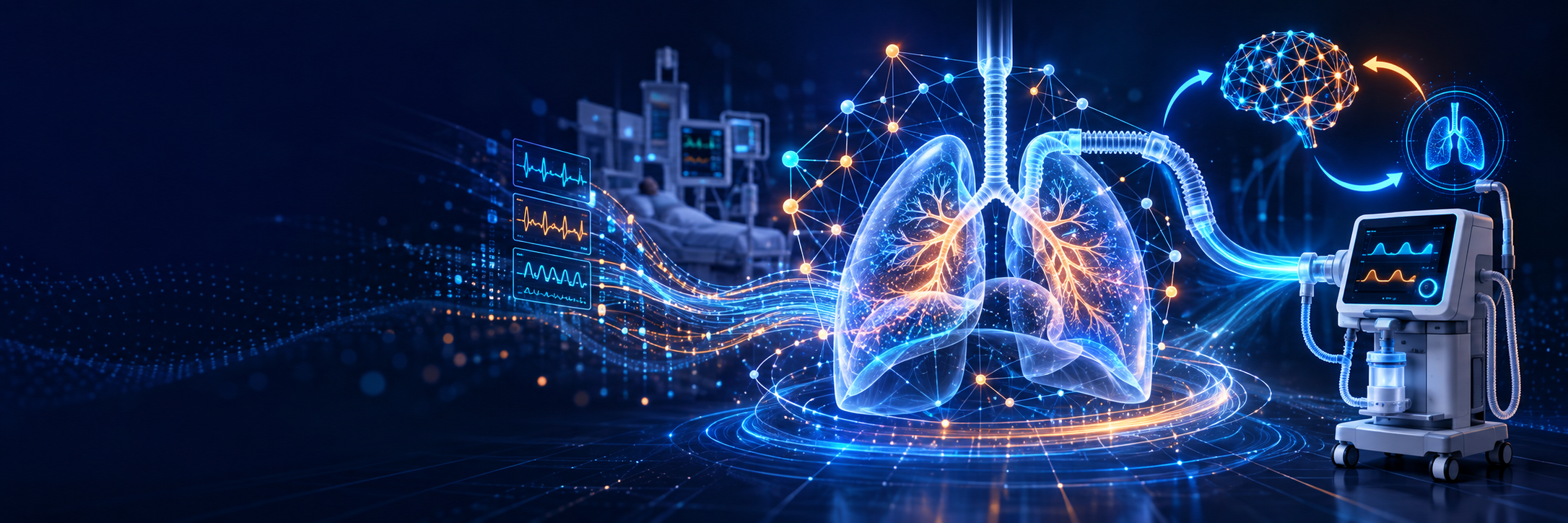
Can we build AI controllers for mechanical ventilation that are not only effective, but physiologically grounded and interpretable?
This PhD position is funded through the Vent-1-AI FFG Project, which aims to develop smart, AI-powered controllers for one-lung mechanical ventilation. Our approach uses model-based offline reinforcement learning (RL) for controller synthesis. For this purpose, a physics-informed world model of the ventilated patient will be trained offline using publicly available datasets.
The world model takes current observations—including vital signs, blood gases and laboratory measurements—and ventilator settings as inputs. Its physics-informed component consists of a parameterized model of the pulmonary circuit, including airways, alveolar gas exchange, blood vessels, the heart, internal organs and periphery. After fitting the physical model to the data, a stochastic neural network ensemble will learn the residuals and enable sampling of unseen trajectories conditioned on ventilator settings generated by an RL agent.
An RL policy will then be trained to predict ventilator settings using the combined model, with the option to incorporate constraints such as clinical guidelines or proximity to clinician actions. The resulting controller will be assessed using offline policy evaluation methods, including fitted-Q evaluation, and compared with simpler approaches such as behavioral cloning.
A substantial part of the project involves preparing clinical datasets using SQL and Python. The long-term goal is translation into clinical use.
Skills to be acquired during PhD training
You will develop skills in:
- Model-based and offline reinforcement learning
- Physics-informed deep learning
- Physiological and dynamical systems modelling
- Clinical time-series and ICU data analysis
- Python, SQL and deep learning frameworks
- Model evaluation, control and validation
PhD network and research environment
You will join the Translational Intensive Care Medicine group at the Medical University of Vienna, founded in 2026 within the Division of Cardiac, Thoracic and Vascular Anesthesia and Intensive Care Medicine.
You will be supervised by Prof. Pedro Wendel-Garcia, whose background spans medicine, mechanical engineering and statistics, with day-to-day guidance from Julian Lemmel, a computer scientist and postdoctoral researcher. Collaborations with TU Wien, ETH Zurich and an international research network connect machine learning, engineering and intensive care medicine.
The PhD project in one sentence
Build a physics-informed model of mechanically ventilated patients and use it to train and evaluate reinforcement-learning controllers for mechanical ventilation.
Why apply?
If you enjoy machine learning but want to work on problems where model behaviour, interpretability and reliability matter as much as predictive performance, this project provides that challenge.
You will combine deep learning with physiological models, reinforcement learning and real clinical data to investigate how an AI controller behaves before considering clinical translation. The project gives you room to work on methodological questions in world modelling, offline RL and controller evaluation while collaborating directly with clinicians and engineers.
It is particularly suited to candidates who want to develop a research profile at the intersection of AI, dynamical systems and medicine, with opportunities for international collaborations, conferences and research mobility.
- Master’s degree in computer science, data science, biomedical informatics, engineering, mathematics, computational neuroscience, or a related technical field
- Practical experience applying machine learning to real-world problems
- Python and deep learning experience, e.g. JAX, PyTorch or TensorFlow
- SQL and database skills
- Basic understanding of reinforcement learning
Advantage
- Experience with clinical or other time-series data
- Knowledge of model-based RL, e.g. Dreamer or TD-MPC
- Knowledge of control theory or controller verification
- Experience working in interdisciplinary teams
- Experience with scientific publications or technical reports
- Interest in recurrent or biologically inspired neural networks
- Bioinformatics
- Cardiovascular systems
- Wet lab
When routine tests look normal, what is causing the bleeding?
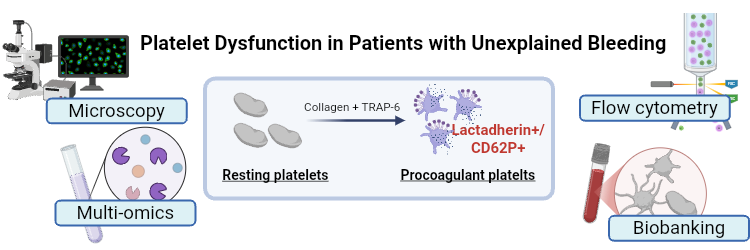
Up to 60% of patients referred for mild-to-moderate bleeding symptoms remain without a definitive diagnosis and are classified as having a bleeding disorder of unknown cause (BDUC). Despite normal results in conventional laboratory tests, these patients may experience significant bleeding after surgery, dental procedures or childbirth. Emerging evidence suggests that subtle abnormalities in platelet function, particularly impaired formation of procoagulant platelets, may help explain why some patients continue to bleed despite apparently normal test results.
Building on the TARGET-BDUC study and the Vienna Bleeding Biobank, which comprises more than 1,000 well-characterized patients, this PhD project will investigate how platelets respond to activation, how effectively they support blood clot formation, and whether previously undetected defects contribute to unexplained bleeding.
Using advanced laboratory techniques, including multiparameter flow cytometry, fluorescence microscopy and microfluidic assays, you will identify subtle platelet abnormalities, investigate the cellular mechanisms underlying them, and explore how these findings relate to patients' bleeding symptoms. The project also includes a translational component investigating whether desmopressin (DDAVP), a medication used in selected bleeding disorders, can improve specific platelet responses and help identify patients who may benefit from targeted treatment.
By uncovering platelet defects that conventional tests may miss, this research aims to advance our understanding of unexplained bleeding and contribute to improved diagnostic strategies and more personalized treatment.
Skills to be acquired during PhD training
You will develop skills in:
- Platelet biology, haemostasis and bleeding disorders
- Multiparameter flow cytometry and functional platelet phenotyping
- Advanced fluorescence microscopy and microfluidic assays
- Clinical biobanking, human samples and translational biomarker research
- Proteomics, lipidomics and bioinformatics
- Experimental design, statistical analysis and interpretation of complex datasets
- Scientific communication, manuscript preparation, conference presentations and grant writing
- Interdisciplinary and international research collaboration
PhD network and research environment
You will join the Thrombosis and Haemostasis Research Group Vienna, led by Prof. Cihan Ay at the Medical University of Vienna, working in close collaboration with Prof. Alice Assinger at the Institute of Vascular Biology and Thrombosis Research. The project benefits from access to the Vienna Bleeding Biobank, led by Prof. Johanna Gebhart, which provides a well-characterized patient cohort for clinically relevant research.
You will have access to advanced experimental infrastructure and an established international research network. Opportunities include research visits to University Medicine Greifswald for advanced platelet imaging and morphological characterization, as well as training in proteomics, lipidomics and bioinformatics through national and international collaborations. This environment will allow you to develop a broad experimental and analytical skill set while working at the interface of fundamental platelet biology and clinical research.
This project will be co-supervised by Prof. Alice Assinger.
The PhD project in one sentence
Discover why some patients experience recurrent bleeding despite normal conventional laboratory results by uncovering hidden platelet dysfunction and investigating its potential for more personalized diagnosis and treatment.
Why apply?
Join an interdisciplinary research team investigating an important clinical problem that conventional laboratory tests often fail to explain. Working with a uniquely characterized cohort of patients with unexplained bleeding, you will gain hands-on experience in platelet biology, advanced flow cytometry and microscopy, and emerging multi-omics approaches. You will have opportunities to collaborate with clinical researchers and international partners, including through research visits and specialized training in platelet imaging, proteomics, lipidomics and bioinformatics. By connecting experimental discoveries with patient symptoms and potential treatment responses, you will contribute to research with the potential to improve the diagnosis and management of bleeding disorders while building a strong foundation for a career in biomedical research.
- MD or MSc in Medicine, Molecular Biology, Biomedical Sciences, Biochemistry, or a related field
- Basic laboratory experience or a strong interest in learning advanced experimental techniques
- Motivation to develop skills in flow cytometry, platelet function testing, advanced microscopy, proteomics, lipidomics and bioinformatics
- Scientific curiosity, critical thinking and motivation to investigate clinically relevant research questions
- Willingness to develop experimental and analytical skills
- Ability to work collaboratively in an interdisciplinary research environment
- Proficiency in English
Advantages
- Experience in hemostasis, hematology, or platelet biology
- Knowledge of flow cytometry, proteomics, or bioinformatics
- Interest in translational and interdisciplinary research
- Clinical research
- Immunology
- LBI-AIM
- Wet lab
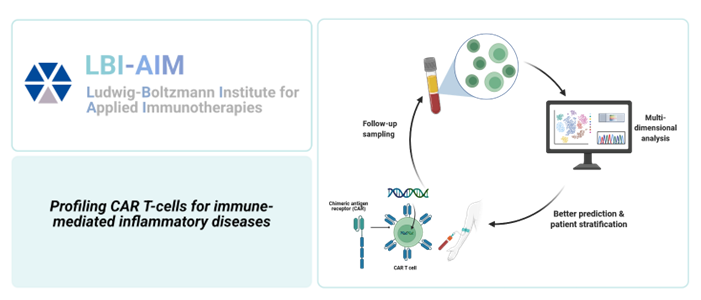
How can CAR T-cell therapy reset the immune system and achieve lasting remission in autoimmune disease?
CAR T-cell therapy has revolutionized cancer treatment and is now emerging as a promising approach for severe immune-mediated inflammatory diseases (IMIDs), including systemic lupus erythematosus, systemic sclerosis, multiple sclerosis and myasthenia gravis. In many patients, CD19-targeting CAR T cells deplete B cells, including autoreactive populations, followed by immune reconstitution and sustained clinical remission. However, how this “immune reset” occurs and what determines response or relapse remain incompletely understood.
This PhD project will investigate how CAR T-cell therapy reshapes the immune system in patients with IMIDs using longitudinal samples and complementary multi-omic approaches.
High-dimensional flow cytometry will characterize CAR T-cell kinetics, B- and T-cell populations, B-cell depletion and immune reconstitution, including comparison with patients receiving bispecific antibody therapy. B- and T-cell receptor sequencing will reveal changes in immune repertoires and clonal signatures associated with response, remission and relapse. The project will also map therapeutic targets, including CD19, CD20, CD22, BCMA and IGHV4-34, across B-cell differentiation states and IMIDs.
Finally, clinical, immunological and repertoire data will be integrated into predictive models to identify biomarkers for patient stratification, treatment timing and therapeutic response.
The goal is to understand the mechanisms underlying immune reset and contribute to the development of personalized cellular therapies and future companion diagnostics for IMIDs.
Skills to be acquired during PhD training
You will develop skills in:
- High-dimensional flow cytometry and FACS
- Immune phenotyping and B-cell analysis
- Primary cell culture and immune cell isolation
- Molecular biology and DNA/RNA extraction
- B- and T-cell receptor repertoire analysis
- Bulk and single-cell RNA sequencing
- Integration of clinical and multi-omic data
PhD network and research environment
You will join the Zajc lab at the Department for Transfusion Medicine and Cell Therapy and be embedded in the newly founded Ludwig Boltzmann Institute for Applied Immunotherapies (LBI AIM).
Based in new research laboratories at the Center for Translational and Precision Medicine, you will have access to state-of-the-art equipment and core facilities. Close collaborations with clinical CAR T-cell programs, the Division of Rheumatology and industry partners connect basic, computational and clinical research. The environment also provides opportunities for international and clinical collaborations, conference participation and industry interaction.
The PhD project in one sentence
Unravel how CAR T cells reset the immune system to achieve lasting remission in immune-mediated inflammatory diseases.
Why apply?
CAR T-cell therapy is rapidly moving beyond cancer into severe immune-mediated inflammatory diseases, creating new questions about how these therapies reshape the immune system and why some patients achieve lasting remission. In this project, you will investigate these questions directly in patient samples, combining advanced immune profiling and repertoire analysis with clinical data. You will work at the interface of basic immunology, cellular therapy and clinical research, providing a strong foundation for a research career in immunology and translational medicine.
- Master’s degree in molecular biology, biotechnology, medicine, or a related field
Advantage
- Experience with cell or primary cell culture
- Experience with flow cytometry
- Experience with molecular and cell biology methods
- Animal research
- Cardiovascular systems
- Molecular and cell biology
- Neuroscience
- Wet lab
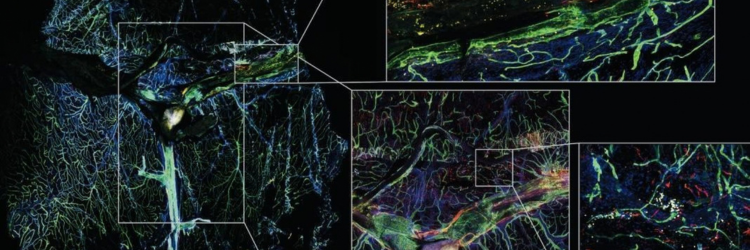
How does skull bone marrow hematopoiesis contribute to cardiovascular disease and inflammation?
Hematopoiesis is a highly regulated stepwise process of blood cell differentiation from hematopoietic stem cells that takes place in the marrow of major bones. The link between hematopoiesis and hypercholesterolemia is widely documented in atherosclerosis that is the cause of myocardial infarction and many strokes. However, evidence is mainly based on studying long bones, and it remains unknown whether different bone compartments at various anatomical locations have divergent response to dyslipidemia. This project will investigate whether hypercholesterolemia affects hematopoiesis in the central nervous system (CNS), more precisely in the skull bone marrow, by studying the composition and function of its microenvironment as compared to long bones, and the distribution of skull-derived immune cells along various brain-border regions. Further, using state-of-the-art methodologies, we will study the contribution of the skull bone marrow to the circulating leukocyte pool and investigate its impact on atherosclerotic cardiovascular diseases. In the longer term, we will aim to understand how lifestyle interventions, such as sleep fragmentation, modify these processes. Our findings may identify candidate molecules as potential targets for instructing adequate hematopoiesis in a site-specific manner with critical relevance for multiple diseases concerning both the CNS (such as stroke and vascular dementia) as well as the periphery.
Skills to be acquired during PhD training
You will develop skills in:
- Hematopoiesis and bone marrow biology
- Cardiovascular and vascular biology
- Immunology and immune-cell function
- Molecular and cellular biology
- Neuroscience and brain-border immunology
- Animal research and experimental models of disease
- Wet-lab experimental techniques
- Analysis of immune-cell populations and tissue microenvironments
- Investigation of interactions between the CNS and peripheral immune system
PhD network and research environment
You will join the Vascular Biology Department and work with Mate Kiss at the Anna Spiegel building of the Medical University of Vienna. You will be part of an internationally connected research environment at the intersection of vascular biology, immunology and neuroscience, with access to cutting-edge experimental approaches and opportunities to work across disciplines.
The project offers opportunities to collaborate with international and clinical research partners, present your work at scientific conferences and build an international research network through research stays and mobility opportunities. For candidates looking to establish a career in biomedical research, this provides a strong environment to develop both your scientific expertise and your experience as an independent researcher.
The PhD project in one sentence
Investigate how skull bone marrow hematopoiesis responds to hypercholesterolemia and contributes to immune regulation and cardiovascular disease.
Why apply?
If you are interested in understanding how the immune system, bone marrow and cardiovascular disease interact, this project offers an opportunity to investigate a relatively unexplored aspect of hematopoiesis.
The project is particularly suited to candidates interested in experimental biomedical research, immunology, cardiovascular biology and neuroscience, with opportunities to work in an internationally connected research environment and participate in conferences and international mobility.
- Master’s degree or equivalent in medicine, molecular biology, immunology, or a related biomedical field
- Strong interest in cardiovascular biology, immunology and/or hematopoiesis
- Willingness to work with animal models
Advantage
- Experience with animal handling
- Previous wet-lab research experience
- Experience in molecular and cell biology
- Molecular and cell biology
- Neuroscience
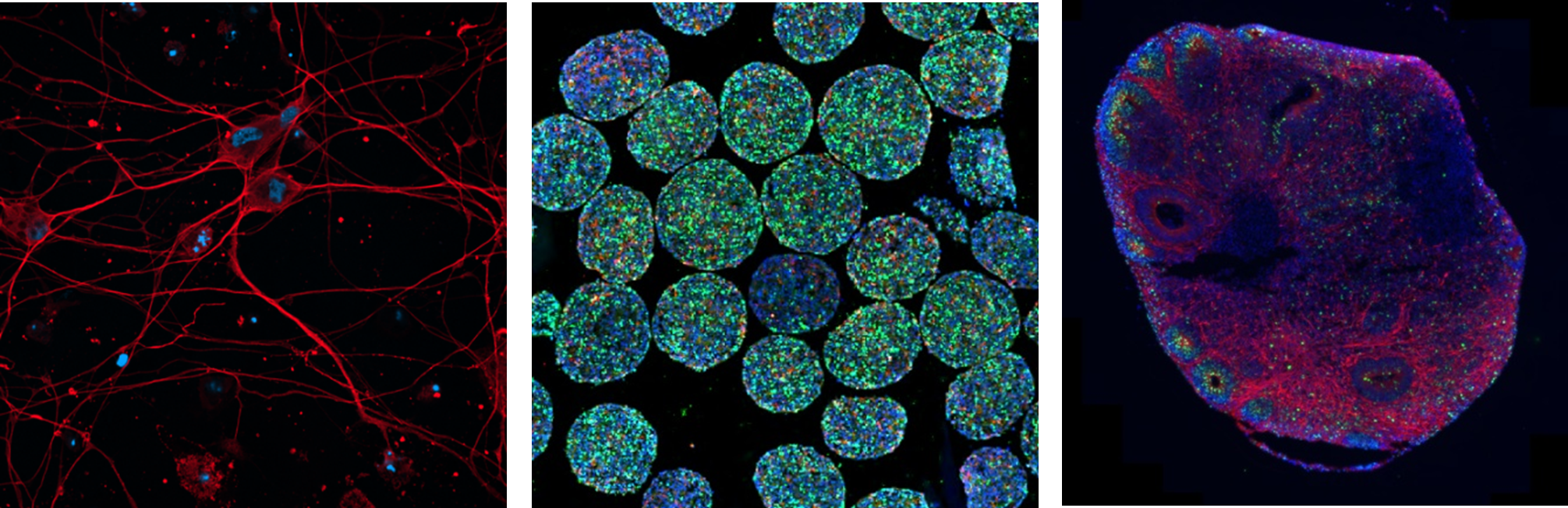
How is gene expression precisely controlled as stem cells develop into neurons, and what happens when this regulation is disrupted?
PHF3 plays a key role during neuronal differentiation by ensuring timely gene expression. PHF3 mutations have been linked with neurological defects including microcephaly and autism spectrum disorder but it remains unclear how these mutations give rise to such severe neurodevelopmental defects. In this project we want to characterize (i) the molecular mechanism of how PHF3 patient mutations impair gene expression, and (ii) neuronal differentiation phenotypes caused by PHF3 patient mutations. The project will use stem cell and cortical organoid models combined with functional genomics approaches (TT-seq, CUT&RUN, scRNA-seq), proteomics and neuronal functionality assays (patch-clamp and calcium imaging) to uncover how disease-associated PHF3 mutations alter gene regulation during the formation of neurons.
Skills to be acquired during PhD training
During your PhD, you will gain interdisciplinary training at the interface of molecular biology, functional genomics, stem cell biology and neuroscience, including:
- Human stem cell culture and neuronal differentiation
- Development and analysis of cortical organoid models
- Fluorescence and confocal microscopy
- Functional genomics approaches, including TT-seq and CUT&RUN
- Bulk and single-cell RNA sequencing
- Analysis of transcriptional and epigenetic regulation
- Proteomics
- Neuronal functional assays, including patch-clamp electrophysiology and calcium imaging
- Integration and interpretation of molecular, cellular and functional data
- Scientific writing, presentation and communication skills
PhD network and research enviroment
We place great value on team spirit, mutual support and collegial collaboration. Every team member is ready to support colleagues with experiments, scientific questions and challenges, and we celebrate individual accomplishments as achievements of the whole team.
Our group has access to excellent facilities for next-generation sequencing, proteomics and microscopy. We encourage conference participation and international scientific exchange. For this project, we collaborate with Prof. Ruth Drdla-Schutting at the Center for Brain Research and Prof. Gaia Novarino at the Institute of Science and Technology Austria (ISTA).
As a supervisor, supporting my students is one of my highest priorities. I provide guidance throughout the PhD, from experimental planning and troubleshooting to discussing results and developing new ideas. I also support my students in developing their scientific writing and presentation skills. Scientific discussions are one of my favourite parts of being a supervisor, and I want my students to feel comfortable bringing their questions, ideas and challenges to me.
The PhD project in one sentence
Uncover how disease-associated PHF3 mutations alter gene regulation and neuronal function during human brain development using cutting-edge stem cell, cortical organoid and functional genomics approaches.
Why apply?
This PhD offers the opportunity to investigate a fundamental question in neurodevelopment: how genetic mutations are translated into molecular, cellular and functional changes during the formation of human neurons. You will combine state-of-the-art stem cell and cortical organoid models with functional genomics, proteomics, advanced imaging and neuronal physiology, while working in a highly collaborative research environment with access to leading expertise and excellent research infrastructure. Furthermore, this project will improve our understanding of neurodevelopmental disorders such as microcephaly and autism spectrum disorder.
- Master’s degree in molecular biology, cell biology, biomedicine, biotechnology, neuroscience, or a related field — completed or finishing within 6 months
- Experience in molecular and cell biology
Advantage: Experience with stem cells, 2D/3D neuronal differentiation or CRISPR/Cas9.